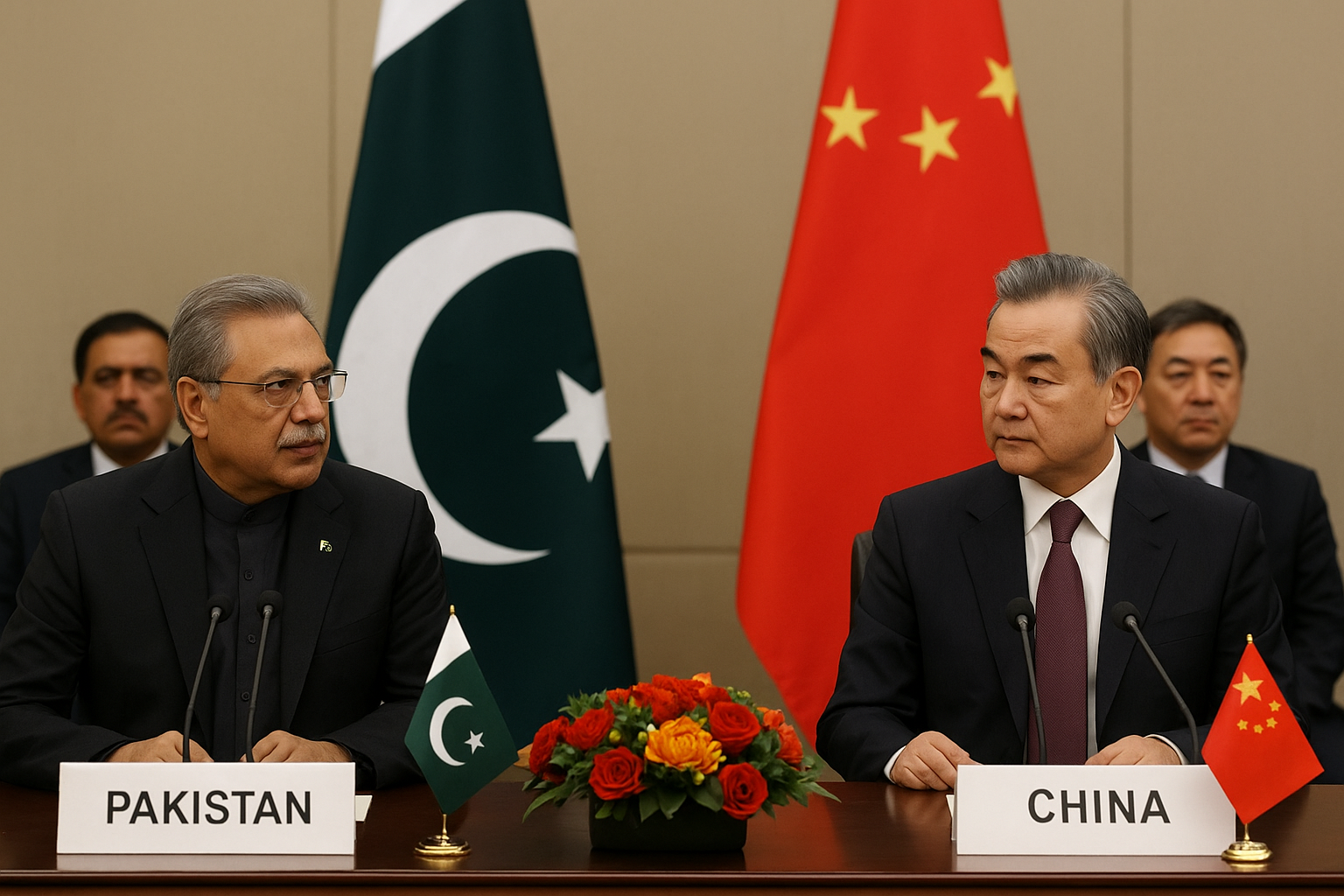
Pakistan and China have reaffirmed their commitment to strengthening counter-terrorism cooperation as part of their long-standing strategic partnership. The renewed focus comes amid evolving regional security challenges and reflects the shared determination of both countries to promote peace, stability, and development in the region.
During recent high-level diplomatic engagements, officials from Pakistan and China emphasized the importance of joint efforts to combat terrorism, extremism, and transnational security threats. Both sides acknowledged that terrorism remains a serious challenge not only for individual nations but also for regional and global security. As close neighbors and strategic partners, Pakistan and China agreed that enhanced collaboration is essential to address these challenges effectively.
Counter-terrorism cooperation between the two countries has been a key component of their bilateral relationship for decades. Pakistan and China have consistently supported each other in regional and international forums on issues related to security and sovereignty. The latest discussions reaffirmed mutual trust and highlighted the need for intelligence sharing, capacity building, and coordinated action against terrorist networks operating across borders.
Officials noted that regional stability is crucial for economic growth and development, particularly in the context of major initiatives such as the China-Pakistan Economic Corridor (CPEC). Both countries stressed that ensuring security along key economic routes and infrastructure projects is vital for the success of long-term development plans. Strengthened counter-terrorism measures are therefore seen as directly linked to economic progress and regional connectivity.
China reiterated its support for Pakistan’s efforts to combat terrorism and acknowledged the sacrifices made by Pakistan in maintaining regional security. Pakistani officials, in turn, emphasized their commitment to preventing the use of their territory for activities that could threaten other countries. This mutual understanding has been a cornerstone of the Pakistan-China partnership and continues to guide their security cooperation.
In addition to traditional security measures, both sides discussed the importance of addressing the root causes of extremism. Officials highlighted the role of economic development, education, and social inclusion in countering radicalization. By promoting development and opportunity, Pakistan and China aim to create an environment that discourages extremism and supports long-term peace.
The discussions also underscored the need for cooperation at multilateral platforms. Pakistan and China agreed to continue coordinating their positions at international organizations to advocate for comprehensive and balanced approaches to counter-terrorism. They emphasized that counter-terrorism efforts should respect national sovereignty and avoid politipoliticization.perts believe that enhanced Pakistan-China counter-terrorism cooperation will have a positive impact on regional security dynamics.
The partnership sends a strong signal of unity against terrorism and reinforces the role of both countries as key stakeholders in regional peace. Analysts also note that closer security ties could encourage broader regional cooperation, contributing to stability in South Asia and beyond.
As regional and global security challenges continue to evolve, Pakistan and China appear committed to deepening their strategic coordination. Their renewed focus on counter-terrorism cooperation reflects a shared vision of peace, development, and mutual respect. With sustained collaboration and dialogue, both countries aim to strengthen their partnership and contribute to a more secure and stable region.